In a nutshell
- 🧠 Less decor cuts extraneous cognitive load, reducing visual noise and freeing limited working memory for focus and planning.
- 😌 Simpler environments lower arousal, support the parasympathetic system, and improve mood, making relaxation and sustained attention easier.
- 🎯 Streamlined spaces increase salience and reduce decision fatigue, leading to faster, clearer choices and fewer errors.
- 🧺 Practical moves: clear surfaces, a limited colour palette, closed storage, biophilic touches, and layered lighting for calmer, sharper rooms.
- 🏠 Design rules of thumb: use negative space, curate meaningful displays, choose tactile materials, and define zones so the next right action is obvious.
Walk into a cluttered room and your shoulders rise before you notice. Walk into a pared-back space and your breath lengthens. This is not taste alone; it is how the brain budgets attention. In British homes and offices where square footage is tight and schedules are tighter, the relationship between mood, cognitive load, and decor has become more than a style debate. It is a performance issue. Less decor lowers noise in the mind, making relaxation easier and choices faster. The science is clear, the aesthetics are optional. When visual inputs are intentional, the day feels lighter, and decisions—what to wear, where to look, when to stop—become less taxing.
The Science of Cognitive Load at Home
Psychologists describe three forms of load: intrinsic (the task itself), germane (learning that deepens understanding), and extraneous (distractions unrelated to the task). Decor sits squarely in the extraneous camp. Every object, colour, and texture competes for your working memory, which is painfully finite. Think under half a dozen chunks at once. When shelves bristle with trinkets and surfaces bristle with paperwork, your brain must triage stimuli before it can work. That triage costs time and energy, and it elevates stress hormones.
Visual clutter isn’t neutral. It heightens arousal, saps attentional control and nudges the brain toward shallow scanning rather than sustained focus. The result? Scattered behaviour and snap judgements. In contrast, simplified surroundings reduce extraneous load, letting the prefrontal cortex do what it is good at: plan, prioritise, decide. Clear sightlines improve salience; you notice what matters. Even small reductions—fewer open shelves, one piece of art rather than five—change cognitive traffic. Less to process means more capacity for calm, creative or careful thinking. Your brain loves patterns, space and restful cues; it struggles with visual noise.
How Minimal Decor Improves Mood and Focus
Designers talk about negative space; neuroscientists talk about reduced stimulation. Both lead to steadier mood. Lower arousal supports parasympathetic activity (think heart-rate variability improving), and that promotes patience. Colour matters too. Fewer hues, applied consistently, reduce micro-switching in attention. When the environment stops shouting, your inner monologue quietens. That is why a sparse desk can feel like a deep breath. It invites single-tasking. It invites presence.
There is a decision dividend as well. The brain fatigues when confronted with competing options—classic decision fatigue. Closed storage, restrained palettes and clear zones cut options at the point of choice. You’re nudged towards the right action because you can see it, reach it, trust it. Add humane textures—wood, wool, plants—and you keep the space from tipping into sterility, sustaining warmth without the clutter cost. The balance is simple: fewer, better, intentional. The effects are tangible within days.
| Decor Feature | Cognitive Load Effect | Mood/Decision Impact | Quick Adjustment |
|---|---|---|---|
| Clear surfaces | Fewer competing stimuli | Calmer baseline; faster task start | One tray for in-progress items |
| Limited colour palette | Reduced attentional switching | Less fatigue; smoother focus | 3–4 colours across a room |
| Closed storage | Masks visual noise | Lower anxiety; clearer choices | Doors on shelves; labelled bins |
| Biophilic touches | Restorative attention | Improved mood; steadier pacing | One plant per key zone |
| Layered lighting | Better task salience | Less strain; fewer errors | Warm ambient + focused task light |
Design Strategies for Calmer, Sharper Spaces
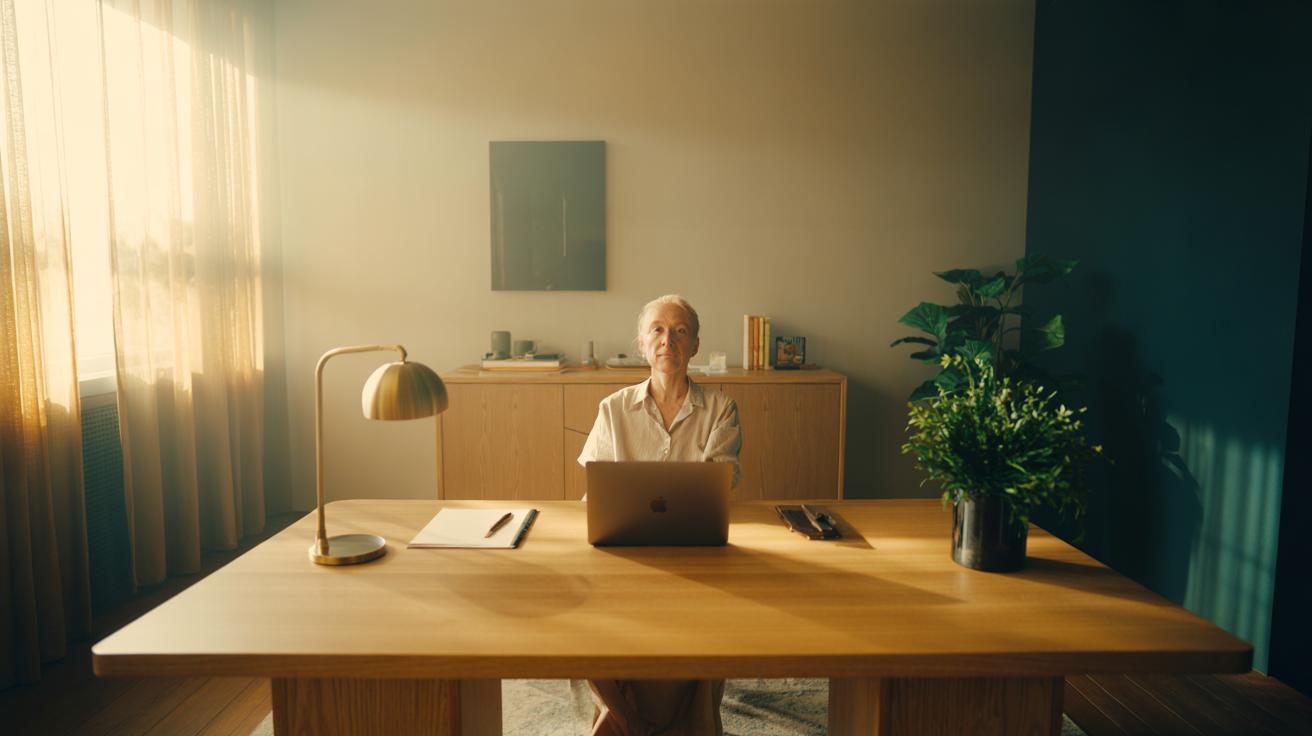
Start where frictions accumulate. The entryway, the desk, the kitchen counter. Remove duplicates, then assign a home to what remains. Everything visible should either guide action or bring joy—nothing else. On a desk, that might be a lamp, a notebook, and one tool caddy. In a kitchen, one clear prep zone beats five decorative gadgets. The aim is to make the next correct action obvious: keys in a bowl by the door, post in a single tray, charging leads out of sight but ready.
Use closed storage for bulk, open display for meaning. A single framed photo reads as a narrative; a dozen compete for bandwidth. Curate walls, leave breathing room between objects, and align edges to create visual cohesion that the brain can skim in a glance. Go for a coherent colour story: calm neutrals with one accent, repeated. Choose tactile materials—linen, oak, ceramic—to deliver comfort without visual clutter. If you share a space, mark zones with rugs or light rather than more furniture. Design is a series of choices; fewer, clearer options lead to better ones. Your attention is precious. Protect it with intention.
Less decor is not about austerity. It is about dignity—giving your attention a decent place to live and your decisions a clean runway. Cognitive load will always exist; the trick is removing the portion you do not need. Start with one surface, one room, one rule, then watch the day gain ease. You will feel it in your shoulders. You will hear it in your thoughts. What might change for you if every room asked one clear thing and nothing more? Where will you begin, and what will you choose to let go first?
Did you like it?4.5/5 (22)