In a nutshell
- 🧠 Explains the neuroscience: the olfactory–hippocampal pathway, the “Proust effect,” and encoding specificity show why scent linking can cue faster, richer recall under exam pressure.
- 📚 Builds a routine: pick one distinct scent per subject, keep it present during retrieval practice and spaced study blocks—consistency beats intensity—then taper exposure before exam day.
- 🌿 Chooses wisely: opt for simple, non-intrusive aromas (rosemary, peppermint, lavender, citrus), test personal responses, and use discreet delivery methods to respect exam regulations and peers.
- 🧪 Goes beyond aroma: pair the cue with spaced repetition, interleaving, closed-book active recall, and sleep-led consolidation; practise under near-identical test conditions for reliable transfer.
- ⏱️ Practical exam-day cues: recreate the same scent anchor lightly (e.g., a tissue sniff), avoid overpowering doses, log outcomes, and ensure the fragrance remains an aid—not a crutch.
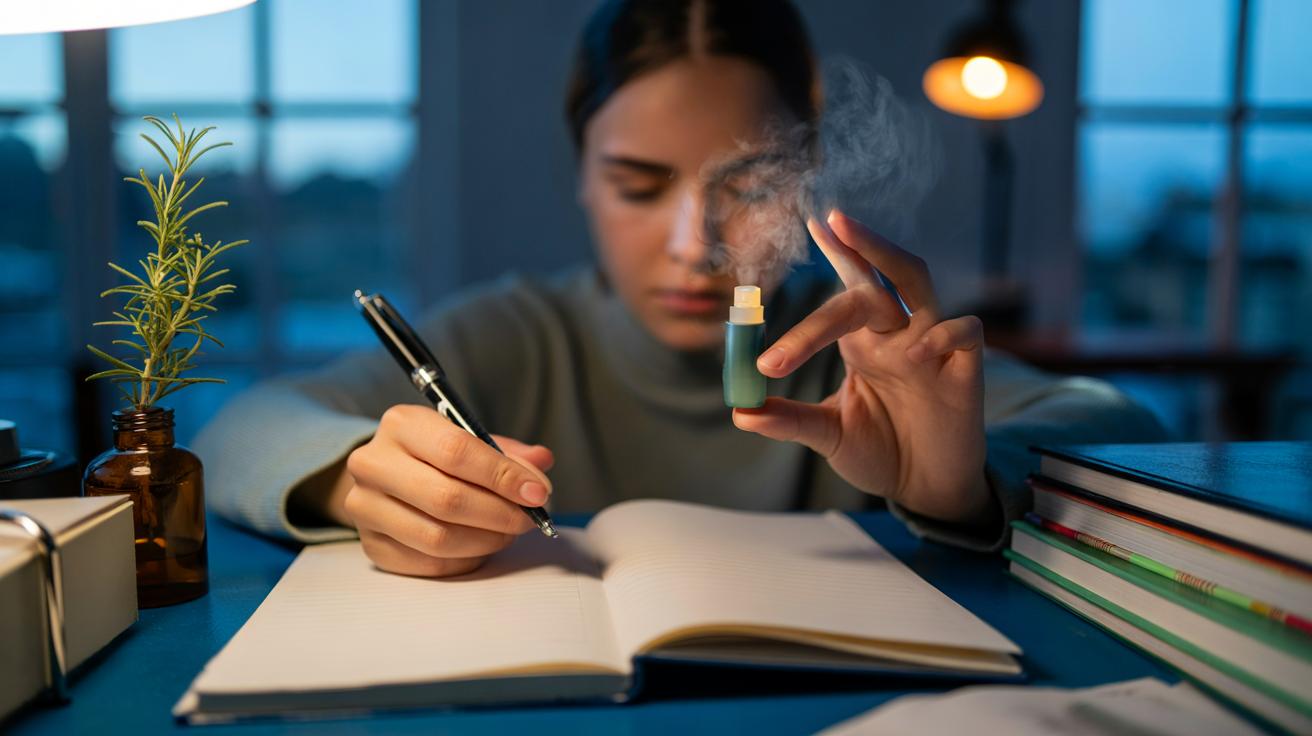
What if the secret to calmer, sharper revision was already in the air? Students across the UK are experimenting with scent linking, pairing a distinctive aroma with specific topics so the smell acts as a shortcut back to what they’ve learned. It sounds whimsical. It isn’t. Neuroscience has long noted the tight link between odour and memory, and exam halls are full of anxious brains craving reliable cues. Used well, a fragrance becomes a subtle anchor, knitting revision sessions to recall moments when it matters most. Consistency, not potency, makes this trick work like quiet magic. Here’s why it helps—and how to deploy it without annoying the invigilator or your peers.
The Science of Smell and Memory
Your nose is wired straight into memory. Literally. Olfactory signals route rapidly to the olfactory bulb, then to the hippocampus and amygdala, regions that shape learning and emotion. That unusual pathway explains the famed “Proust effect”, where a fleeting odour unlocks vivid recollections. In revision terms, this maps neatly onto encoding specificity: the closer the test environment matches the study context, the easier it is to retrieve information. A consistent scent creates a portable, lawful context cue. Smell reaches memory networks faster than any other sense, which is why a whiff can cut through stress and bring content back online.
Small lab studies suggest olfactory cues can support recall under pressure, though effect sizes vary. Crucially, smell does more than jog facts; it modulates arousal. A steady, recognisable aroma can lower uncertainty, smoothing entry into a focused state where retrieval practice actually sticks. It’s not a miracle. It’s a nudge to the brain’s existing pattern-matching machinery. Pair the same scent with repeated, effortful learning and you effectively label that knowledge with a distinct “find me” tag. When the tag returns—say, on a tissue before an exam—your brain follows the thread.
How to Build a Scent-Linked Revision Routine
Pick one distinct scent per subject or unit. Subtle but unmistakable. Rosemary for biology, perhaps, citrus for maths. Then standardise the ritual. Use the same diffuser, balm or inhaler at the start of each session, not sporadically in the middle. Consistency beats intensity. Your goal is formation of an association, not perfume clouds. Keep the aroma present throughout spaced blocks of focused work and, crucially, during timed retrieval drills. The brain learns the pairing when effort meets reward.
On exam day, recreate the cue within rules and courtesy. A lightly scented tissue in a pocket, a dab on a wrist before you enter, or an unscented room with a tiny pre-exam sniff outside. Don’t gas the hall. Never drench a room in fragrance on exam day. If you change the dose, you change the cue. Build in a weaning stage too: the final week, practise recall with smaller exposures so the memory can stand on its own if the scent is unavailable. And track what works—log scores, mood, and recall quality to avoid placebo chasing.
Choosing the Right Scent for Exams
Not every aroma helps. Some distract. Some irritate classmates. Opt for clean, simple notes that won’t dominate the space or trigger headaches. Personal history matters: if lavender reminds you of a fraught hospital visit, it won’t soothe your pre-exam nerves. Brief tests help. Spend a day pairing a candidate scent with short quizzes; note calmness and accuracy. Your “best” fragrance is the one that becomes reliably associated with focused success.
| Scent | Common Association | Study Use | Caution |
|---|---|---|---|
| Rosemary | Alertness | Light diffusion during active recall | Can feel sharp; keep it minimal |
| Peppermint | Refreshment | Short bursts before timed practice | Overuse may feel cold or distracting |
| Lavender | Calm | Evening revision, pre-sleep consolidation | Too sedating for speed drills |
| Citrus | Clarity | Morning sessions; concept mapping | Some find it sharp; test first |
Always respect exam regulations and the comfort of others. Many UK halls aim for neutral odours; invigilators may intervene if a fragrance distracts. Choose delivery methods that are discreet and removable. A pocket inhaler or a micro-spritz on a tissue is safer than a wearable oil that spreads. Blend science with manners and your memory anchor stays an ally, not a nuisance.
Beyond Scent: Pairing With Smart Study Techniques
Aroma alone won’t rescue weak notes. Fuse the cue with evidence-based methods. Use spaced repetition to revisit content just as it begins to fade. Interleave topics so your brain learns to discriminate, not just cram. Do hard active recall—closed-book questions, past papers, one-page brain dumps—while the scent is present. Then rehearse under near-exam conditions: timed, silent, same desk setup, same understated whiff. What you practise is what you’ll perform.
Sleep on it—literally. Evening reviews, followed by solid rest, help consolidate hippocampal traces that the scent can later unlock. Keep the rest of your context steady: lighting, chair height, even pen choice. Track arousal: if peppermint over-stimulates, swap for lavender and adjust tempo. The research picture is mixed, but the practical rule is simple: create a reliable, low-noise cue, pair it with strenuous retrieval, and taper dependence as competence grows. That way, the fragrance becomes a doorway you can choose to walk through, not a crutch you can’t do without.
Scent linking won’t replace revision. It refines it. Anchors it. When used with smart spacing, honest self-testing and decent sleep, a modest aroma can calm nerves and cue hard-won knowledge at speed. The trick is courtesy, consistency and clear measurement of what actually helps you remember. Start small, take notes, and keep the exam hall comfortable for everyone. Which fragrance—if any—will you choose to label your learning, and how will you test whether it truly improves your recall?
Did you like it?4.5/5 (29)