In a nutshell
- 🧼 Dryer sheets leverage anti-static agents to disperse droplets and prevent dust cling, delivering streak-free glass in ~30 seconds.
- 🧪 The science: quaternary ammonium compounds create a micro-thin conditioning film that evens moisture; a used sheet often works better than a new one.
- ⚙️ Quick method: buff with a used dryer sheet, mist lightly with water or 1:1 vinegar, then finish with a microfiber cloth using overlapping passes and low moisture.
- 🚫 Limits and safety: skip tinted films, coated optics, TV screens, aquariums; pre-clean heavy grime and keep sheets away from food-prep areas.
- 🌱 Eco-savvy swaps: reuse spent sheets, try a two-cloth vinegar method or 70% isopropyl, and consider anti-static microfibers or newspaper (test first).
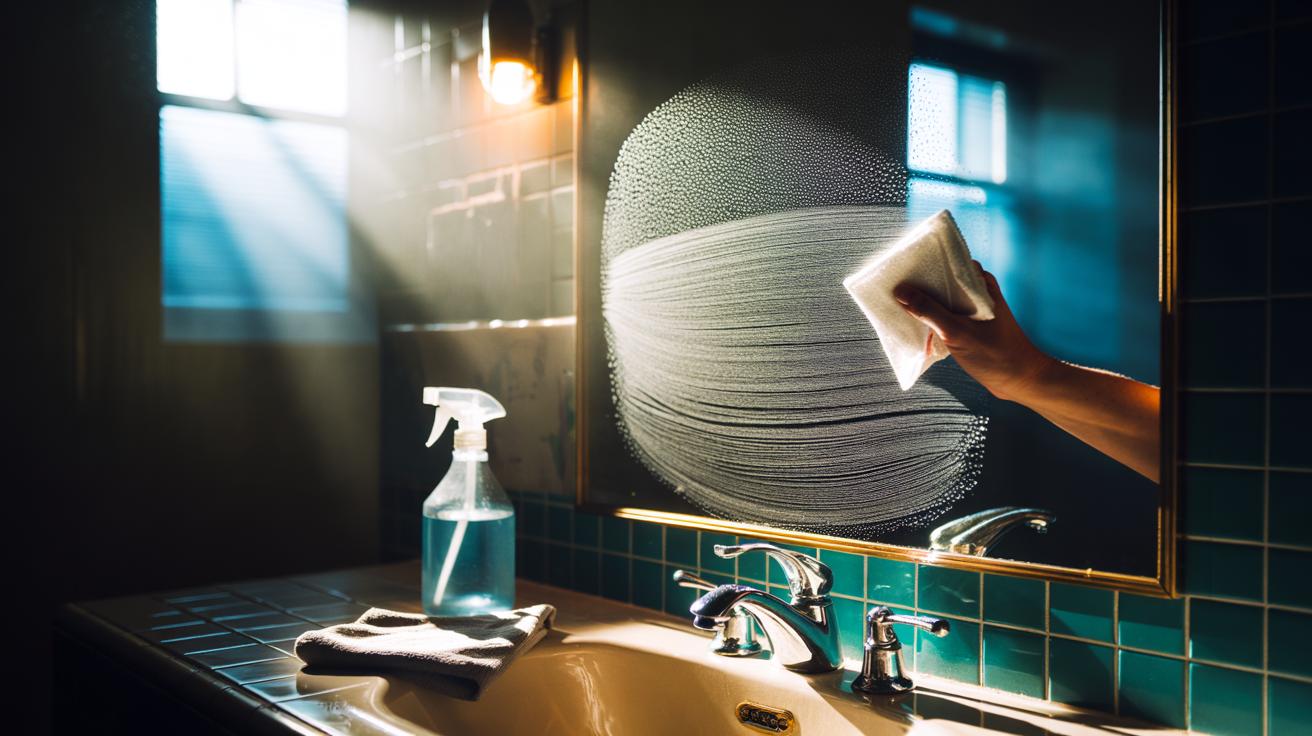
Windows, mirrors, shower screens. We spend ages polishing, only to see ghostly lines reappear the second the sun swings round. Here’s the hush-hush shortcut making the rounds in busy British homes: dryer sheets used as a glass polisher that leaves a clear, streak-free finish in half a minute. Sounds daft. It isn’t. The same anti-static chemistry that stops socks clinging in the tumble dryer also discourages dust from resettling on your glass. A light buff, a quick follow-up wipe, job done. The trick works fast because it breaks surface tension and evens out moisture, so streaks can’t form. Cheap, efficient, oddly satisfying.
The Science Behind Dryer Sheets on Glass
Why does a humble dryer sheet make glass gleam? It’s the cocktail of cationic surfactants and anti-static agents typically bound to a polyester or cellulose base. Those quaternary ammonium compounds reduce static charge on the glass surface, so dust and lint won’t cling. They also help disperse tiny droplets left by cleaning sprays, cutting the “bead-and-streak” effect that turns sunlight into your harshest critic. Used sheets often work best. They’re softer, less waxy, and deliver just enough residue to even out the finish without smearing.
Think of it as applying a micro-thin conditioning film. It doesn’t polish like a wax; it smooths the surface’s behaviour with moisture. That’s why a fresh sheet can sometimes overdo it. If your mirror looks cloudy after buffing, swap to a sheet that’s already been through one drying cycle or tear a new sheet in half to cut the dose. Crucially, the anti-static effect is what buys you the “30 seconds” magic—less drag, fewer passes, no re-wiping. Sensible caveat: avoid contact with food-prep areas, and don’t use on coated optics or speciality films, where additives may interfere with protective layers.
Step-by-Step: 30-Second Streak Removal
Set a timer if you like. This is swift. Start clean: if the glass is gritty or splattered with toothpaste or mud, do a fast pre-wipe with warm water and a drop of mild detergent. Then the hack: take a used dryer sheet (unscented if you’re sensitive), and buff the glass in overlapping S-shapes. Small, quick arcs for corners. Long, relaxed strokes for the centre. Next, mist a whisper-thin veil of water or a 1:1 white vinegar solution. Finally, glide a microfiber cloth over the surface to level out any remaining moisture. Done. Stand back. No halos.
| Item | Role | Why It Helps | Swap If Needed |
|---|---|---|---|
| Used dryer sheet | Anti-static buff | Reduces dust cling; evens droplets | Half a new sheet |
| Water or 1:1 vinegar | Light mist | Breaks film, lifts smears | Isopropyl 70% for greasy marks |
| Microfiber cloth | Final polish | No lint, no scratches | Newspaper (black ink only) |
Speed depends on restraint. Don’t soak. Don’t scrub. The dryer sheet’s anti-static layer handles the heavy lifting; the microfiber simply perfects the finish. Light pressure, low moisture, and overlapping passes are the three rules. For shower glass with soap scum, do a quick pre-swipe with warm water first, then follow the steps. On car windows, use outdoors shade, and reserve the method for exterior glass to avoid residues inside the cabin.
Where This Hack Shines—and Where It Doesn’t
This trick excels on bathroom mirrors prone to steam streaks, patio doors smudged by little hands, and shower screens with light mineral haze. It’s also handy for exterior car windows to knock back bug splatter shadows after a wash. Dust-prone picture frames? Fast, effective. In kitchens, it’s a lifesaver for greasy fingerprints on glass splashbacks—especially if you follow with a quick microfiber pass to remove any fragrance trail. Use it for maintenance cleans, not archaeological digs. Heavy limescale or baked-on grime still needs targeted cleaners.
There are boundaries. Skip tinted films (factory or aftermarket), anti-glare or hydrophobic coatings, and anything with a manufacturer’s “dry-clean only” warning for optics. That includes TV screens, camera lenses, spectacles, and coated instrument panels. Avoid aquariums; additives can be harmful. If fragrance is a concern, choose unscented sheets or rinse the glass with a plain water mist before the final buff. For allergen-sensitive homes, run a quick patch test in a corner. The aim is a clean pane, not a perfumed one. If streaks persist, your microfiber might be contaminated—wash it without fabric softener to restore absorbency.
Eco-Savvy Tips and Alternatives
Reusing a spent dryer sheet is already a waste-reducing win. You’re giving it a second job before the bin, which means less reliance on disposable wipes. Prefer fragrance-free or plant-based brands if you’re sensitive, and store a few used sheets in an airtight jar in the utility room. For the purists, a strong alternative is a two-cloth method: one slightly damp microfiber with a 1:1 vinegar mix, one dry microfiber to polish. Same choreography, similar shine. Another option for greasy glass is 70% isopropyl alcohol, lightly misted, then buffed.
If you want the anti-static edge without dryer sheets, try a clean anti-static microfiber designed for electronics, used dry, then finish with a separate cloth. Newspaper can work in a pinch—the carbon black helps—but modern inks vary, so test first. The golden rule is low moisture and clean, lint-free tools. Keep a tiny squeegee in the shower to prevent mineral buildup, making the 30-second buff a weekly, not daily, ritual. And remember: less product, more technique. Your glass will thank you, and so will your energy bill.
In a world of pricey sprays and complicated routines, this little laundry-cupboard hack earns its keep. It’s fast, it’s forgiving, and it turns annoying streaks into a 30-second non-event. Used sensibly, it keeps dust at bay and surfaces photo-ready with almost no effort. The only real test is your glass and your lighting, because daylight is ruthless and honest. Why not try it on one window, watch it in full sun, and decide for yourself—could a humble dryer sheet become your go-to secret for sparkling glass?
Did you like it?4.4/5 (25)