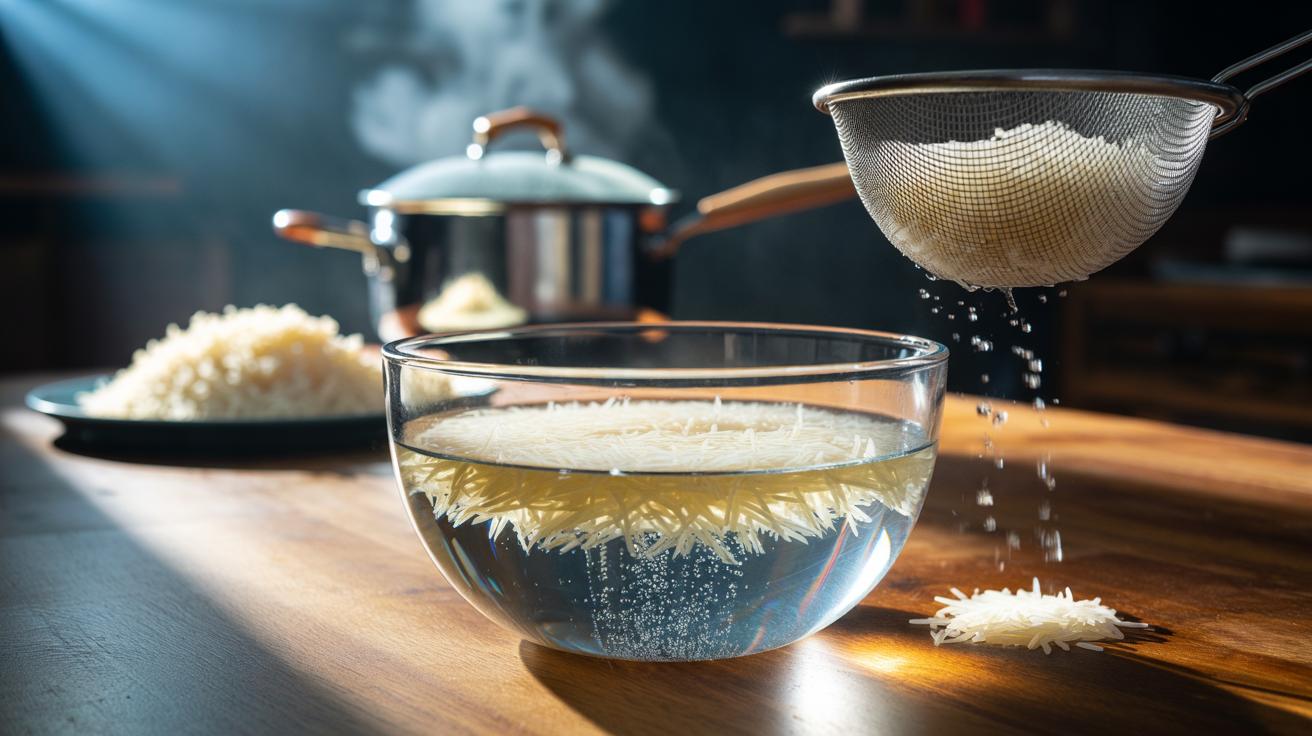
In a nutshell
- 🍚 Pre-soaking hydrates grains and rinses off surface starch, balancing amylose/amylopectin so rice elongates instead of clumping.
- 🧪 Adjust water ratios for soaked rice, keep a gentle simmer, and rest covered for 10 minutes; a light brine seasons and firms without making it salty.
- 👩🍳 Method: rinse until water clears, soak (Basmati 20–30 min; Jasmine 15–20), drain well, cook with a tight lid, and fluff—same logic applies to a rice cooker.
- 📊 Use the quick reference for ratios and times by type (e.g., Basmati 1:1.2–1.3; Brown Basmati longer soak) to hit target textures reliably.
- 🌿 Benefits: faster cook, brighter aroma in Basmati and Jasmine, cleaner steam, and consistently fluffy, separate grains in everyday cooking.
Every cook has chased it: rice that’s tender, separate, scented, and never sticky. The secret isn’t pricey equipment or cheffy flourish. It’s time. A modest preliminary soak transforms humble grains, nudging them towards lightness and reliable fluff. In British kitchens, where dinner often competes with the clock, a soak feels like a luxury. It isn’t. It’s a shortcut to consistency. By hydrating the outer layer and rinsing away surface starch, you pre‑empt clumping before heat even enters the picture. Soaking turns the maths of water absorption in your favour, producing rice that cooks quickly, releases clean steam, and tastes as it should—elegant, not gummy.
Why Soaking Changes the Grain
Raw rice looks inert. It’s anything but. Each grain is a compact store of starch—chiefly amylose and amylopectin—held within a tight protein network. When you soak rice, cool water slips between starch granules, priming them to swell evenly once heat arrives. This pre-hydration eases the outer shell, which otherwise overcooks while the core lags behind. The result? Fewer ruptures, fewer sticky fragments, and grains that elongate rather than burst. Soaking reduces the friction that causes clumping, because hydrated surfaces shed loose starch during the rinse rather than releasing it into the pot mid-boil, where it becomes glue.
Think of heat as the conductor, not the miracle worker. If the orchestra is out of tune, no baton can save it. Soaking aligns the grains so they respond uniformly to gentle steam. It shortens active cooking time, preserves aroma compounds—especially in basmati and jasmine—and softens hard tap water’s edge on texture. Crucially, it stabilises the starch matrix. That’s why long-grain varieties emerge with seductive separation, while short-grain types become tender yet defined. The payoff is visible on the plate and audible in the fork’s whisper through loosened grains.
Step-By-Step: The Foolproof Soak-And-Steam Method
Rinse the rice in a bowl under cold water, swishing vigorously until the water turns from cloudy to just misty; drain. Repeat two or three times to remove free surface starch. Now soak: cover with fresh cold water by several centimetres. For basmati, 20–30 minutes is ideal. Jasmine, 15–20. Standard long grain, 15–25. Drain thoroughly—this matters—so your final water ratio remains precise. In a saucepan, add rice and measured water (see table below), a pinch of salt, and, if you like, a few drops of neutral oil to reduce frothing. Precision plus patience equals fluffy grains.
Bring to a gentle simmer over medium heat, then immediately lower to the quietest bubble and cover tightly. No peeking. Steam for the prescribed time, then remove from heat and rest, covered, for 10 minutes. This stand is non‑negotiable: steam equalises moisture from surface to core, setting the texture. Fluff with a fork to separate. In a rice cooker, the same logic applies—rinse, soak, drain, cook—only the machine controls the heat curve. Either way, the soaked grain reaches doneness faster and cleaner, with markedly less clumping. Let the lid and time do the heavy lifting.
Time, Temperature, and Salt: The Science in Your Saucepan
Cold water soaking is the safest bet for clarity and control. It hydrates without leaching aroma. Warmer water speeds the process but risks releasing extra starch; useful in a rush, but monitor closely. A light brine—about 0.5–0.75% salt by weight of soak water—can enhance seasoning and subtly firm the grain by influencing protein bonds. Salted soaks don’t make rice salty; they make it seasoned. In hard‑water areas across the UK, soaking also helps counter mineral interference that can tighten the grain and dull fragrance.
Ratios matter, but they’re not dogma. Because soaked rice absorbs less of the pot’s water to reach equilibrium, you can slightly reduce the cooking water compared with no‑soak methods. The gain is twofold: speed and definition. For aromatic varieties rich in amylose, the benefit is striking—longer, cleaner strands. For stickier, amylopectin‑forward rices, soaking refines cohesion without chasing an unrealistic dryness. Soak sets the stage; heat writes the finale. Keep the simmer modest, the lid tight, and the rest period sacred. That trio prevents puddled bottoms and gummy tops.
Choosing Rice and Ratios: A Quick Reference
Different rices carry different starch profiles and husk thicknesses, so they respond uniquely to a soak. Use this at‑a‑glance guide to match soak time and water to your grain. The volumes assume well‑drained, soaked rice cooked in a lidded saucepan on a low simmer. Cups are standard 240ml, though many British cooks use a 200ml teacup; consistency is what counts. When in doubt, err on shorter soaks and tighter lids. You can always give an extra minute of rest; you can’t unboil.
| Rice Type | Typical Soak | Water Ratio (cup:cup) | Texture Target | Notes |
|---|---|---|---|---|
| Basmati | 20–30 minutes | 1 : 1.2–1.3 | Long, separate, fluffy | Rinse thoroughly to protect aroma and length. |
| Jasmine | 15–20 minutes | 1 : 1.1–1.2 | Soft, slightly clingy | Gentle simmer preserves floral notes. |
| Long Grain (USA/Euro) | 15–25 minutes | 1 : 1.3–1.4 | Defined, not dry | Lower heat early to avoid burst tips. |
| Short/Medium Grain | 10–15 minutes | 1 : 1.0–1.1 | Tender, cohesive | A brief soak evens stickiness without glue. |
| Brown Basmati | 45–60 minutes | 1 : 1.6–1.8 | Nutty, springy | Longer soak softens bran, speeds cook. |
Use these figures as a compass, not a contract. Age of rice, altitude, and pot material all nudge results. Taste once, note the outcome, and adjust by small increments next time. The combination of soak, gentle heat, and a patient rest gives you repeatable, restaurant‑worthy texture at home. After a week, you’ll do it on autopilot—and wonder why you ever skipped it.
A preliminary soak is the quiet fix for clumpy rice: it hydrates the husk, sheds excess starch, and paves the way for calm, even steaming. It costs just a few minutes and returns control to the cook, whether you chase basmati’s elegant length or jasmine’s perfumed softness. Consistency follows. So does confidence. When the grains behave, the rest of dinner feels easy. Will you try a timed soak this week—and which variety will you put to the test first to see how dramatically it lifts your everyday cooking?
Did you like it?4.5/5 (21)