In a nutshell
- 🍋 A two-minute citrus wipe delivers a fast “lemon glow,” cutting through limescale and soap scum on tiles for a bright, low-cost clean.
- ⚗️ It works because citric acid (pH ~2) dissolves mineral deposits while limonene adds light degreasing; safe on glazed ceramic and porcelain, but avoid natural stone and raw aluminium.
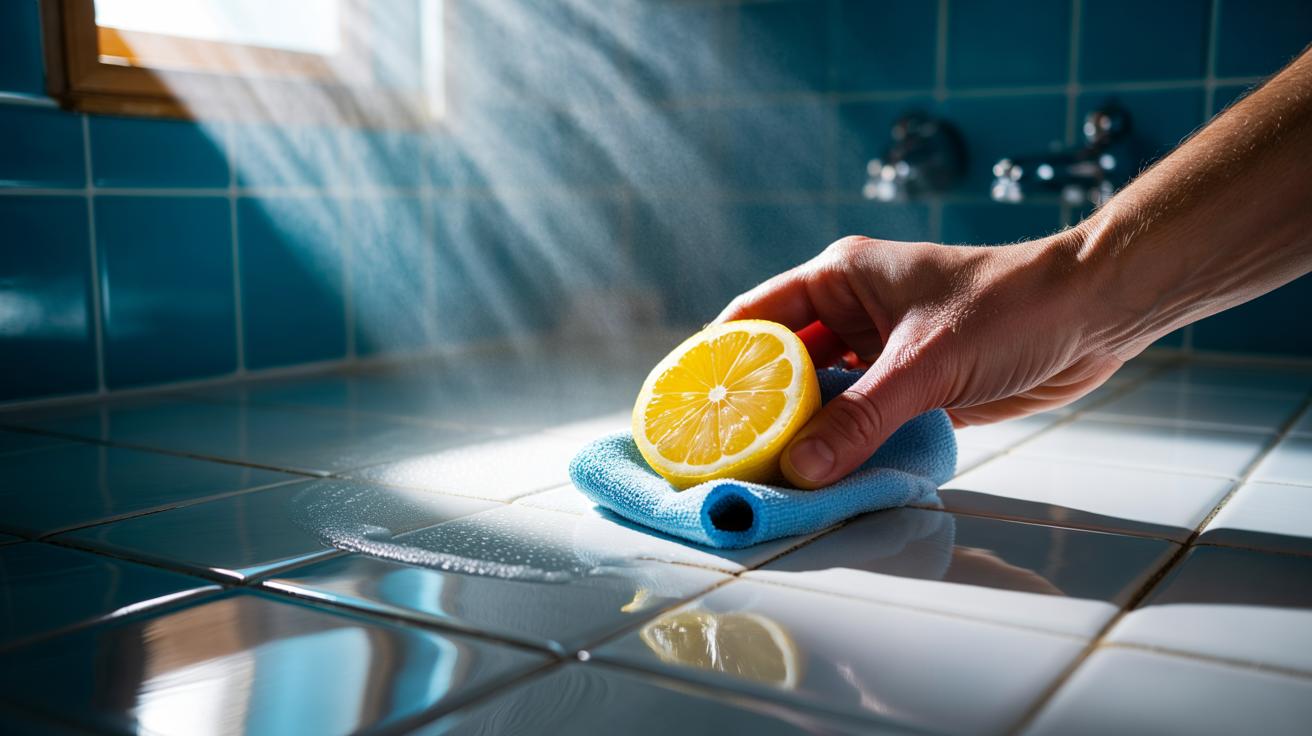
- ⏱️ Method: damp microfibre cloth, squeeze lemon, wipe in overlaps, allow 30–45s dwell on chalky spots, then rinse and buff dry for a streak-free shine.
- ✅ Results: Excellent on limescale and soap scum; good on light rust and tea/coffee splashes; poor on mould in grout; not suitable for paint/epoxy/silicone residues.
- 🌿 Benefits and safety: pennies per use, compostable peel, reusable microfibre cuts plastic waste; ventilate, patch-test coloured grout, and buff dry to slow re-soiling.
British bathrooms and kitchens are under siege from limescale, soap film, and the stubborn grey haze that dulls tilework. Enter the simplest remedy: the lemon glow. One cut citrus, one damp cloth, and two minutes. That’s it. This trick works astonishingly fast on glazed tiles and polished porcelain, revealing a clean, bright sheen with almost no scrubbing. The method is low-cost, low-waste, and smells like a fresh market stall, not a chemical aisle. It’s also deeply practical for renters and homeowners alike. Tested on splashbacks and shower walls in hard-water corners of the UK, the results are immediate. No gimmicks. Just chemistry, done cleanly.
Why Lemon Works on Tile Stains
The secret weapon in every lemon is citric acid. It’s a mild organic acid, but don’t let “mild” fool you: at around pH ~2, it dissolves the calcium carbonate that makes up limescale, softens soap scum, and loosens mineral deposits that cling to glossy surfaces. The juice cuts; the peel polishes. Within the rind, natural oils such as limonene lend a light degreasing push and a bright scent that neutralises bathroom odours without synthetic perfumes. The chemistry is simple: citric acid chelates metal ions, breaking the bonds that make stains cling.
On ceramic and porcelain tiles, the effect is swift because the glazed surface doesn’t let grime anchor deeply. Grout benefits too, though its porous texture may need a second pass. Be mindful: citric acid is not friendly to acid-sensitive stone such as marble, travertine, or terrazzo. It can etch and dull in seconds. Always test a small, inconspicuous patch and avoid natural stone entirely if you’re unsure. On robust tiles, however, the lemon acts like a precision tool—fast, predictable, and safe, provided you rinse and dry to prevent residue and streaking.
Two-Minute Citrus Wipe: Step-by-Step
First, assemble a halved lemon, a clean microfibre cloth, and a small bowl of warm water. Lightly dampen the cloth so juice spreads evenly rather than beading. For speed, you want contact and a whisper of pressure, not a drenching. Cut the clock: you’re aiming for under two minutes per square metre.
Squeeze the lemon half directly onto the cloth, then swipe across the tile in overlapping passes. Work top to bottom to avoid drips shadowing your progress. For chalky limescale blooms or soap build-up, pause for a 30–45 second dwell time—long enough for the acid to bite, short enough to prevent streaks. Stubborn corners around taps or shower valves respond to a quick twist of the rind against the stain. You’ll see the surface brighten as deposits let go. When in doubt, let the lemon rest; don’t scrub harder.
Finish with a rinse: wipe with the damp side of the cloth, then buff dry with the clean side for a clear, bright shine. This prevents water spots and leaves a subtle “glow” that resists immediate re-soiling. Avoid unsealed or coloured cement grout until you’ve patch-tested for colourfastness. Keep lemon away from raw aluminium parts and natural stone—corrosion and etching are real risks.
What It Removes — And What It Doesn’t
Think of the lemon wipe as a targeted striker, not a universal midfielder. It excels at hard-water rings, chalky bloom, soap residue, and fresh tea or coffee splashes that dot kitchen splashbacks. Light rust smudges from shaving cans often fade, and toothpaste traces disappear in seconds. The technique struggles with cured polymers: paint drips, epoxy haze, silicone transfer, and heavy grease from deep frying. For mould stains embedded in porous grout, you may need oxygen bleach or a specialised treatment, then seal the grout afterward.
Use the lemon wipe as a first response. If it lifts the haze quickly, you’ve saved money and packaging. If not, you’ve lost two minutes and learned which stains need heavier artillery. Always rinse and dry; citric residues left to sit can attract dust and dull tiles again. Here’s a quick snapshot of what to expect:
| Stain Type | Likely Result | Time | Notes |
|---|---|---|---|
| Limescale bloom | Excellent | 30–90 sec | Dwell time helps; rinse well. |
| Soap scum | Very good | 60–120 sec | Buff dry to avoid streaks. |
| Light rust specks | Good | 60–120 sec | May need a second pass. |
| Tea/coffee splashes | Good | Under 60 sec | Act fast before they set. |
| Deep mould in grout | Poor | — | Use oxygen bleach; then seal. |
| Paint/epoxy/silicone | Not suitable | — | Use mechanical or specialist removers. |
Cost, Sustainability, and Safety
A single lemon costs pennies and replaces a cupboard’s worth of descalers and fragranced sprays. It’s a rare cleaning hack that is both effective and low-waste. The peel can be composted, and the method uses minimal water—just enough to rinse. Pair with a reusable microfibre cloth washed at low temperatures and you’ve cut plastic bottles from your routine. For heavy-duty households, you can stash squeezed halves in the fridge and get a second run the same day without losing potency.
Safety is straightforward: avoid contact with eyes and broken skin, ventilate small bathrooms, and rinse metal trims after treatment. Keep citric acid away from natural stone—marble, limestone, travertine, terrazzo—and from uncoated aluminium fixtures to prevent etching or oxidation. Coloured or unsealed grout can be unpredictable; patch-test and keep contact brief. If you use the method near a hob or splashback with oil residues, pre-wipe grease with hot, soapy water so the acid can reach the mineral films underneath. When you’re done, buffing dry is the difference between clean and dazzling. That final pass locks in the “lemon glow” and slows re-soiling, buying you longer between deeper cleans.
The lemon wipe is hardly new, yet it feels radical in a market crowded with bottles and promises. It is quick, tactile, and weirdly satisfying—watching haze melt and colour come back to life. For UK homes beset by hard water, the results speak for themselves. Two minutes, one fruit, brighter tiles. If you try it this week, note what it does well and where it falls short, then tune your routine accordingly. What surface in your home do you most want to see reclaim its original shine—and what’s stopping you from giving it the citrus test today?
Did you like it?4.4/5 (20)