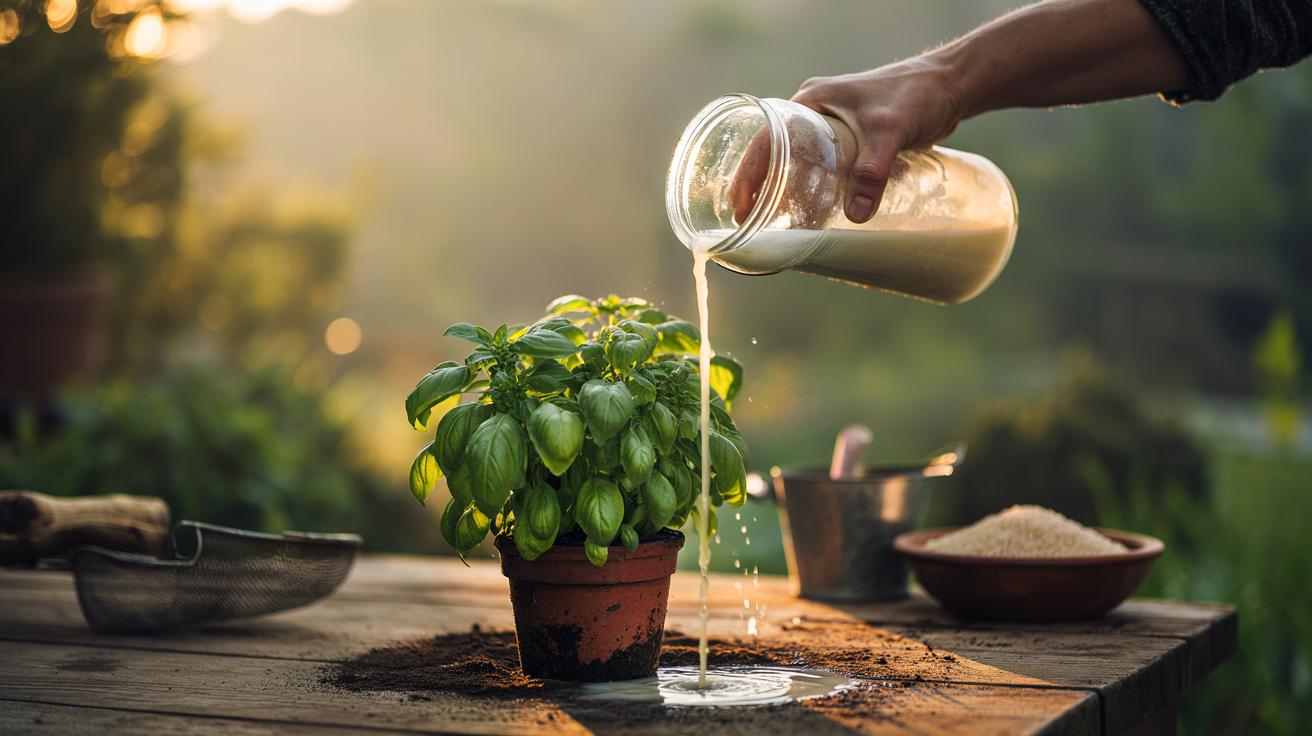
In a nutshell
- 🌾 Rice water is a gentle, carbon-rich tonic that feeds the soil microbiome, promotes root hairs, and can lift plant vigor within one week.
- 🧪 Safe prep and dilution: Use unsalted rinse or soak water; dilute 1:4–1:6 (milder for seedlings), apply to soil only, and avoid wetting foliage.
- 📊 Use guide and storage: Choose rinse, lightly fermented, or boiled options; follow stated dilutions; refrigerate for 24–48 hours and discard if sour; alternate with a balanced fertilizer.
- 🌱 Expected results: By days 2–7, look for perkier leaves, deeper green, and finer root hairs; strongest gains on leafy edibles, herbs, ferns, and tropical houseplants.
- ⚠️ Pitfalls to avoid: Overuse risks anaerobic soil, gnats, and odors; skip many succulents, ensure drainage, and reduce strong salts on rice-water weeks.
Gardeners chase quick wins. Few are as simple, frugal, and oddly effective as feeding plants with the milky liquid left after rinsing rice. This so-called rice water is no snake oil; it’s a gentle nutrient-and-carbon tonic that can jump-start soil life and nudge young roots into action. Within one week, many growers report perkier foliage, richer color, and fresh root hairs exploring new soil. Results vary, of course. Yet the mechanism is sound: light food for microbes, tiny amounts of minerals, and moisture that lingers. Done right, it’s low-risk. Done wrong, it’s smelly and suffocating. Here’s how to capture the upside and dodge the pitfalls.
Why Rice Water Works in Just a Week
The secret is not brute-force fertilizer. It’s stimulation. Rice water carries dissolved starches (amylose and amylopectin), traces of B vitamins, and minute amounts of N, P, and K. That mild carbon source is easy food for the soil microbiome, which wakes up fast, increases enzyme activity, and frees nutrients already present in your compost or potting mix. Roots benefit from friendlier rhizobacteria, better aggregation around particles, and improved moisture retention. The plant’s response is swift but subtle: steadier turgor, slightly deeper chlorophyll tone, and a push of root hair growth that expands the uptake area dramatically.
Think of rice water as a spark, not the fuel tank. In seven days, that spark often reads as noticeably perked leaves and early new growth in herbs, leafy greens, and houseplants that were previously underfed or dry. Crucially, the effect is contingent on oxygen. Too much undiluted, stale rice water can tip pots anaerobic, suffocating roots and encouraging off-putting microbes. Keep it light, keep it fresh, and let the soil breathe between waterings. Microbe-led nutrition is powerful precisely because it’s gentle and cyclical; you’re partnering with biology rather than blasting with salts.
How to Make and Use Rice Water Safely
Start clean. Rinse 1 cup of plain, unsalted rice with 2 cups of water, swirl 30 to 60 seconds, then strain. Alternatively, soak for 20 to 30 minutes and decant the cloudy liquid. Cool to room temperature. Now the crucial step: dilute at least 1:4 (one part rice water to four parts plain water). For seedlings or plants in low light, go milder at 1:6. Always use unsalted, oil-free, cooled liquid and apply to soil, not foliage. For a 12 cm pot, 100–150 ml is ample; for a 20–25 cm container, 250–400 ml does the job. Aim for damp, not soggy. Repeat weekly, skipping if the mix still feels wet.
| Method | Suggested Dilution | Use-By Window | Best For |
|---|---|---|---|
| Rinse Water (Uncooked) | 1:4 to 1:6 | 24–48 hours (fridge) | Houseplants, leafy greens, seedlings |
| Lightly Fermented (24 h, loosely covered) | 1:6 to 1:10 | Use same day; discard if foul | Soil with compost; microbe boost |
| Boiled Rice Water (No Salt/Oil) | 1:6+ | 24 hours (cool and dilute) | Outdoor beds; established pots |
Application tips are simple. Water at the base early in the day, allowing leaves to stay dry. Rotate with your regular feed: pair rice water one week, a balanced complete fertilizer at half-strength the next. Store leftovers in the fridge for up to two days; discard if it smells sour or sulfurous. Skip cacti and many succulents, which resent extra moisture and sugars. If you see gnats, algae, or a swampy smell, stop immediately and flush with plain water. Used with restraint, rice water complements compost, seaweed extracts, and worm leachate rather than competing with them.
What to Expect: Visible Signals and Measurable Gains
Day two to three: leaves often look livelier, especially on thirsty herbs like basil or coriander. By day five to seven, greens may darken slightly as chlorophyll synthesis catches up, while small nodes on stems begin to swell. In loose, airy mixes, you’ll notice fine root hairs clinging to the pot wall during repotting—evidence of better exploration. Anecdotally, cut-and-come-again lettuce and pak choi can add a few millimetres more leaf span than control pots over a week, particularly after a dry spell. It’s not magic. It’s marginal gain that compounds across repeated, careful applications.
Watch the balance. A quick lift can tempt overuse, but the fastest route to setbacks is saturating containers with sugary liquid and starving them of oxygen. Keep the substrate fluffy; add perlite or bark fines if drainage lags. If you already feed with strong synthetic nutrients, reduce their dose on rice-water weeks to avoid salt buildup. Don’t apply to waterlogged trays or during cool, dim spells when microbial activity slows. Expect the best response from leafy edibles, herbs, ferns, and tropical houseplants. Woody shrubs and xeric plants show less dramatic shifts, but they still benefit from improved soil structure over time.
Used thoughtfully, rice water is a thrifty, circular tactic: you turn kitchen rinse into a microbe-friendly tonic that nudges plants ahead within one week. It won’t replace a balanced feeding plan or decent light, yet it can amplify both by making the most of nutrients already in your potting mix. Try it on a few test plants first, keep notes, and adjust dilution to suit your conditions. If it works, scale carefully. If not, you’ve learned cheaply. What plant in your garden will you trial with rice water first, and how will you measure the change you see?
Did you like it?4.7/5 (26)