In a nutshell
- 🥚 Eggshell barrier deters slugs via an abrasive, drying surface; flakes disrupt slime-based movement and the mild alkalinity of calcium carbonate adds a minor desiccating effect.
- 🛠️ Clear prep and application: rinse, dry/bake at 120–140°C for 10–15 minutes, crush into 3–8 mm flakes, then lay a continuous ring 2–3 cm wide and 1–2 cm deep at dusk, refreshing after rain.
- 🌧️ Recognises limitations: effectiveness drops in wet weather, heavy slug pressure can overwhelm, and birds may scatter flakes—best results come on dry nights with intact rings.
- 🧩 Promotes a layered defence: combine shells with tidy beds, hand-picking, wildlife‑friendly ferric phosphate pellets, copper tape on pots, and targeted beer traps.
- 🌿 Highlights benefits and fit: pet‑safe, biodegradable, low-cost, adds trace calcium; go light near acid lovers, and prioritise seedlings, hostas, lettuces, strawberries, and young ornamentals.
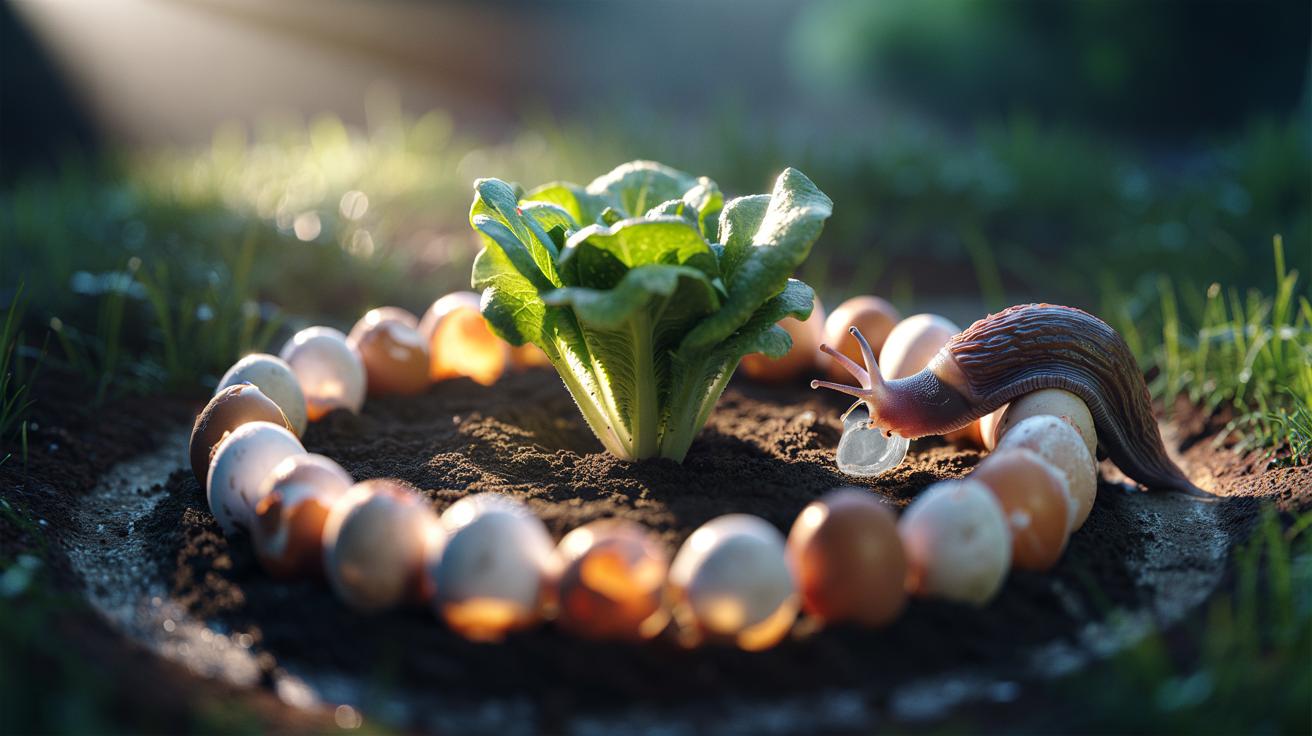
For gardeners exhausted by chewed hostas and vanishing seedlings, the humble eggshell offers an unexpectedly elegant line of defence. Crushed into jagged flakes, it forms a tactile moat that many slugs and snails prefer not to cross, giving tender plants a crucial night’s reprieve. It’s frugal, fast, and delightfully circular: breakfast waste turned into biodegradable pest control. Does it work every time? No. But deployed smartly—dry, coarse, and freshly laid—it can shift the balance in your favour while you sleep. Applied at dusk, a well‑made ring can protect vulnerable plants overnight, buying you precious time in peak slug season. Here’s how to make that shell count.
How the Eggshell Barrier Works
Slugs are soft-bodied and moisture dependent. They glide on a film of mucus, losing water as they move, so they instinctively avoid abrasive, desiccating surfaces. Crushed eggshells create a coarse, irregular texture that disrupts that glide. Flakes act like miniature scree underfoot: not razor-sharp, but unpleasant enough to encourage detours when easier pickings exist. The barrier’s effectiveness relies on texture and dryness—two qualities that collapse after heavy rain or if shells are ground too fine. Think gravel, not dust.
There’s also a mild chemical angle. Eggshells are mostly calcium carbonate, slightly alkaline, and they can help dry slime on contact. Don’t oversell it: the effect is limited and local. In UK gardens, anecdotal reports are positive for seedlings and lettuce beds, less so for lush, shaded plots where slug numbers are overwhelming. Controlled tests show mixed results, which means expectations should be practical, not magical. Success rises sharply when the barrier is paired with tidy beds and reduced hiding places.
Crucially, eggshells work best as a deterrent ring, not a scattergun mulch. A continuous, unbroken circle around stems or bed edges forces a decision point. If there’s a gap, slugs will find it. If the ring is shallow, they’ll bridge it with debris and slime. Build a moat, not confetti.
Preparation and Application: From Kitchen Scraps to Shield
Save shells from boiled or poached eggs for cleaner handling. Rinse, then dry thoroughly. For speed and safety, bake on a tray at 120–140°C for 10–15 minutes to sterilise and crisp. Avoid strong microwaving—steam pockets can pop. Once brittle, crush by hand in a bag or with a rolling pin into coarse flakes roughly 3–8 mm. Do not powder them; dust compacts, loses bite, and risks wind drift. Coarse flakes interlock and stay airy, which keeps the surface dry and discouraging.
Apply in the early evening when slugs emerge. Lay a continuous ring 2–3 cm wide and at least 1–2 cm deep around each plant or along the bed’s leading edge. Press down lightly so flakes grip the soil, but keep the top ragged. Recheck after watering. Any gap is an open door. If rain flattens or muddies the ring, top it up. Expect to refresh every few wet days in a British spring.
Mind the plants. Eggshells break down slowly, adding trace calcium. That’s fine for most veg and ornamentals, but go sparingly around acid lovers like blueberries and camellias. Store a jar of baked shells on the counter so supply is constant. A dozen eggs goes surprisingly far when flaked properly.
| Setting | Recommended Practice |
|---|---|
| Ring width | 2–3 cm continuous band |
| Layer depth | 1–2 cm of coarse flakes |
| Coverage (12 shells) | 6–8 small plants |
| Best condition | Dry evenings, light winds |
| Reapply | After heavy rain or weekly in wet spells |
| Not ideal | Waterlogged soil, dense leaf litter |
When to Use It, Limitations, and Smart Combinations
Use eggshell moats during peak slug windows: mild, damp nights in spring and early summer, and again in warm autumn spells. Prioritise high‑value targets: leafy salad crops, new hosta shoots, strawberries, courgette seedlings, lupins. Establish the barrier at transplanting and the night before rain is forecast, then check first thing in the morning. Freshly laid shells can reduce overnight nibbling dramatically when conditions favour dryness.
Limitations are real. In persistent rain, shells clump and the deterrent drops. Heavy slug pressure can overwhelm any single tactic. Birds may kick flakes aside while foraging. Counter by tidying mulch, lifting pots, and spacing plants for airflow. Add a dusk patrol with a torch and a jar for hand-picking; it’s simple and oddly satisfying. For tougher cases, integrate ferric phosphate pellets (wildlife‑friendly when used as directed) or copper tape on pots. Beer traps can thin numbers at hotspots, though they need frequent refreshes and may catch beneficial insects.
Think of eggshells as part of a layered defence. They’re pet‑safe, cheap, and biodegradable. They suit small beds, container gardens, and family plots seeking low‑toxic solutions. They won’t rewrite biology, but they will tip the nightly odds, especially when the ring is intact, the bed is tidy, and the weather plays ball. Set a shell moat tonight, and by morning you’ll know if the local slug brigade has taken the hint.
Eggshell barriers are the gardening equivalent of common sense: quick to make, gentle on wildlife, and surprisingly effective when used with a strategist’s eye. They shine on dry nights, falter in downpours, and excel as part of a broader plan that includes hygiene, spacing, and selective baits. If you like thrifty, circular solutions, this one turns everyday waste into immediate protection for your most vulnerable plants. The trick is consistency—collect, crush, ring, repeat. Which plant will you defend first, and what mix of tactics will you trial alongside your new shell-built moat?
Did you like it?4.7/5 (23)